Kentucky has seen more attention on landslides over the past few years, and for good reason. Heavy rainfall, hilly ground, and changing land use create a real risk for both rural and growing communities. Now, the Kentucky Geological Survey (KGS) is building a new weather-based landslide forecasting model to help predict where the ground may shift next. As this work expands, topo surveys play a bigger role than ever. They give homeowners, builders, and planners the detailed elevation information needed to stay ahead of slope problems.
This shift matters to anyone who owns property in Kentucky, especially around Bowling Green, where development continues to push into areas with uneven terrain. Landslides cost Kentucky an estimated $10–20 million each year, and those numbers grow as neighborhoods expand. Because of this, more people want better information about how safe their land truly is.
What Kentucky’s Landslide Risk Model Does
To understand why topo surveys matter so much today, you need a clear picture of what the landslide model does. KGS combines rainfall data, soil conditions, and slope information to spot places where the land may slip or move during storms. When heavy rain hits, certain areas soften or lose strength, and even a small shift can damage driveways, homes, and roads.
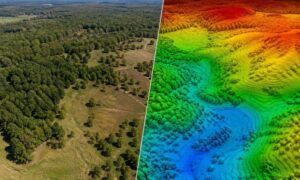
The model helps state agencies respond faster. It also helps communities see where slopes may fail in the future. However, the model needs accurate elevation data to work well. Older maps miss small dips and rises in the land. Those small changes often decide whether water builds pressure in the soil or drains away safely. This is where new, detailed topo surveys make a huge difference.
How Topo Surveys Improve Landslide Awareness

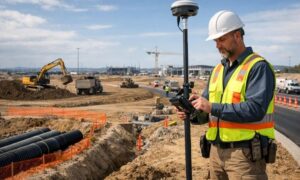
Topo surveys map the shape of the land with precision. They show how steep a hill is, how quickly a slope changes, and where the ground forms natural ridges or drop-offs. When you look at a hillside, you can guess where problems may occur. But a topo survey removes the guesswork. It gives exact numbers that help surveyors, engineers, and homeowners understand the true risk.
For example, two pieces of land might look almost the same. One may hold steady during heavy rain. The other may sit on a subtle tilt that sends the soil sliding toward a house. You cannot see that difference by eye, but a topo survey shows it clearly. Because landslides often start with small shifts before a big movement, having this data early gives property owners a better chance to fix issues before they grow.
Why Landslide Risk Matters for Landowners
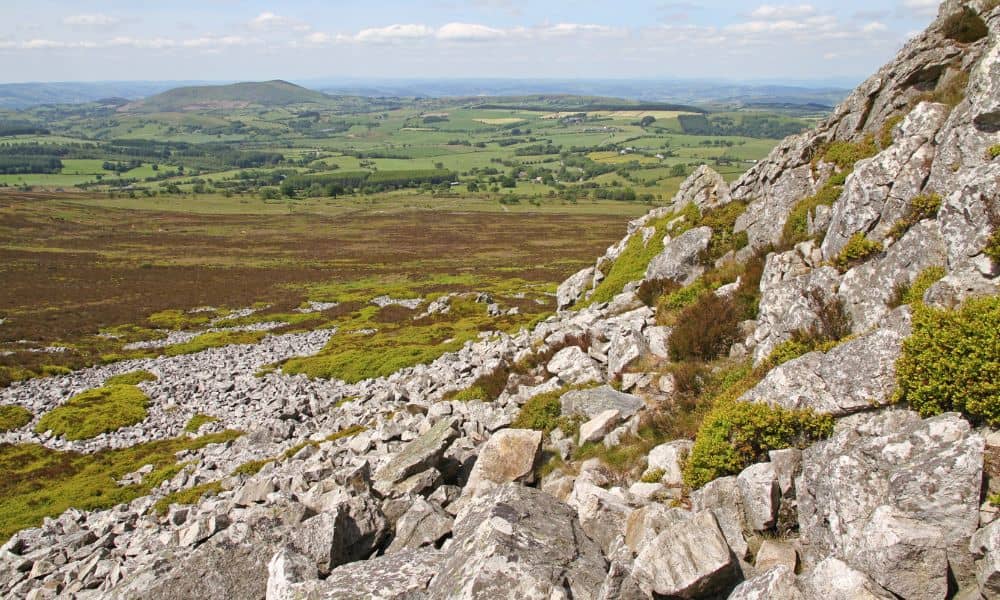
Landslides do not only occur on mountain roads or steep cliffs. They can happen in neighborhoods, along small hills behind homes, or in places where a builder cut into a slope many years ago. In and around Bowling Green, many properties sit on land with rolling terrain. Some areas also contain karst features, like sinkholes or soft pockets underground, which make the ground even more likely to move when soaked.
As Kentucky adds more housing and commercial projects, more land gets reshaped. Trees come down, slopes get cut, and new roads change how water flows. With these changes, old ground conditions no longer match today’s reality. That makes topo surveys important not only for new builds but also for older properties where the land has shifted over time.
How Topo Surveys Help You Make Better Decisions
A topo survey gives you clear insight into how safe your land is, especially if your property lies near a slope or sits above a drop. It helps you plan ahead in many ways. When you want to build a home or add an extension, you can see which parts of your land are stable enough to support it. You also gain a better understanding of where a hillside may weaken after long periods of rain.
If your land feels uneven or shows small signs of movement—like cracks in the soil, leaning trees, or uneven ground—a topo survey gives you the information to investigate further. You can share the survey with a geotechnical engineer who studies soil behavior and can tell you if your land needs reinforcement. These steps often prevent major damage down the road.
Insurance companies, lenders, and permitting offices also pay close attention to slope risk. A topo survey helps answer questions that simple property maps cannot. It shows whether a lot is safe for construction and whether the land meets local building standards for hillside development.
Licensed Surveyors Play a Key Role in Kentucky’s Safety Efforts
Kentucky relies on licensed surveyors to collect the data needed to support hazard planning. Their work helps fill the gaps in state elevation maps. As more topo surveys are completed across the state, the landslide forecasting model becomes stronger. Local surveyors often see first-hand how land behaves after storms. Their field insight helps both homeowners and engineers spot changes before they turn into emergencies.
Civil engineers and county planners also rely on fresh survey data when reviewing permit applications in hillside areas. Without accurate information, it becomes much harder to judge whether a project is safe. This makes licensed surveyors a key part of a larger effort to reduce the costs and risks caused by unstable slopes.
Community Benefits From Widespread Topo Survey Data
When more properties undergo topo surveys, communities gain a clearer picture of how land moves over time. This helps local governments strengthen zoning rules, improve emergency planning, and reduce risk during extreme weather. It also helps neighborhoods avoid unexpected problems when new developments change the shape of nearby land.
The more detailed the terrain data becomes, the easier it is for the state to build a strong forecasting model. Clear information leads to faster warnings, better land-use decisions, and safer development practices that protect homeowners.
When Should You Consider a Topo Survey?
If you own land near a hill or plan to build on uneven ground, a topo survey gives you peace of mind. You may also need one if you notice subtle signs of land movement, or if your property sits near wooded slopes that hold water after storms. When buying land in a hilly area, a topo survey helps you understand long-term stability before making a major investment.
Final Thoughts
Kentucky’s new landslide forecasting model will help the state stay ahead of major ground failures. But this model depends on strong, accurate elevation data from topo surveys. As climate conditions change and development continues to grow, these surveys give property owners the clearest view of their land’s safety. A topo survey is more than a map. It is a smart step that helps you protect your home, plan wisely, and stay ahead of problems that can cost far more in the future.