How Site Elevation Analysis Helps Prevent Flooding Problems

Understanding land conditions has become more important as weather patterns and flood risks continue to change. Site elevation analysis helps property owners see how their land sits and how water may move across it. In Bowling Green, KY, this step is becoming more important as development increases and drainage concerns grow.

Why Elevation Is Getting More Attention in Kentucky

The closest recent trend is the growing concern about flooding and drainage across Kentucky. Heavier rainfall and shifting conditions are making it harder to predict how water will behave on a property.

This is why more projects now include site elevation analysis early in the planning process. It gives a clearer picture of the land and helps identify potential risks before construction begins.

How Site Elevation Analysis Improves Land Planning

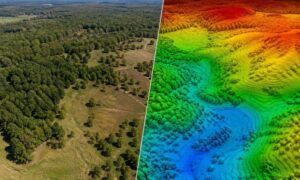
Site elevation analysis looks at the height and shape of the land. It helps determine how water flows, where it may collect, and which areas are suitable for building.

This process supports better decisions about grading, drainage design, and structure placement. It also helps with understanding how water moves across your property, so you can plan around problem areas before construction begins.

Why This Matters in Bowling Green

Bowling Green includes a mix of flat land, slopes, and areas affected by water movement. Without proper analysis, it can be difficult to predict how a site will behave during heavy rain.

Using site elevation analysis gives property owners a clearer understanding of their land. It reduces uncertainty and helps avoid problems during construction.

Getting a better understanding of how your land handles water makes it easier to plan ahead, especially in areas where small elevation changes can have a big impact.

Common Issues Caused by Poor Elevation Understanding

Many property problems come from not fully understanding how elevation affects the site.

Some common issues include:

  • water collecting in low areas
  • poor drainage around structures
  • grading problems that affect foundations
  • unexpected runoff affecting nearby properties

These issues often appear after construction begins, when they are harder to fix.

How to Avoid Costly Drainage and Flooding Problems

The best time to perform site elevation analysis is before designing or building. Early insight allows for better planning and fewer surprises.

When elevation is clearly understood, projects move more smoothly. It becomes easier to design drainage systems, place structures correctly, and reduce long-term risks.

Site elevation analysis is a key step in protecting your property and making sure your plans work with the land—not against it.

author avatar
Surveyor

More Posts

Surveying companies reviewing site plans with construction team during development review on a building site
land surveying
Surveyor

How Surveying Companies Help Keep Projects Moving

Starting a project in Bowling Green feels exciting at first. You have a plan, a piece of land, and a clear goal. Then the approval process begins, and things start to slow down. Plans come back with comments, timelines stretch, and what looked simple suddenly feels stuck. In many cases,

Read More »
Surveyors reviewing site plans before an alta land survey
alta survey
Surveyor

What to Have Ready Before an ALTA Land Survey

If you are getting ready to buy or develop land, you may hear that you need an alta land survey. Most people expect the process to move quickly. However, delays often happen before the survey even begins. That may sound surprising, but it happens more often than you think. A

Read More »

How Site Elevation Analysis Helps Prevent Flooding Problems

Understanding land conditions has become more important as weather patterns and flood risks continue to change. Site elevation analysis helps property owners see how their land sits and how water may move across it. In Bowling Green, KY, this step is becoming more important as development increases and drainage concerns

Read More »
Comparison showing a parcel map view and a property survey with marked boundary lines on-site
boundary surveying
Surveyor

Property Survey vs Parcel Map: What Most Owners Miss

You pull up your property online. The lines look clear. Everything seems simple. So you start planning. Maybe it’s a fence. Maybe a shed. Maybe you just want to know where your yard really ends. At first, the map gives you confidence. But then something feels off. A contractor asks

Read More »
A topographic survey showing contour lines across a residential lot to help plan a buildable homesite
land surveying
Surveyor

Start With a Topographic Survey Before You Build

You found a piece of land in Bowling Green. It looks flat. It feels right. The price makes sense. So, you start picturing your future home—where the driveway will go, where the front door will face, and how the yard will look. However, land can be deceiving. What looks simple

Read More »
Neighbors arguing over a property line after skipping a home survey
land surveying
Surveyor

Why Skipping a Home Survey Is a Costly Mistake

Buying a home should feel exciting. You walk the lot, picture your plans, and start thinking about the future. However, many buyers make one small decision that causes big problems later. They skip a home survey, not realizing why a home survey matters before you buy—until it’s already too late.

Read More »