
Commercial real estate deals rarely fall apart with drama. Instead, many slow down quietly. Paperwork drags. Questions pile up. Deadlines move. In many cases, the issue traces back to one step that now carries more weight than it did a few years ago: the due diligence survey.
While no new law suddenly changed the rules, risk standards in commercial deals are shifting. Lenders, investors, and insurers now expect more clarity earlier. As a result, the due diligence survey is no longer a late-stage formality. Instead, it has become a key decision tool that shapes whether a deal moves forward or stalls.
Why Commercial Risk Standards Are Changing Right Now
Commercial properties cost more than they did even five years ago. At the same time, many deals involve redevelopment, infill projects, or properties with long histories. Because of that, small unknowns now feel like big risks.
Meanwhile, lenders face tighter margins and more scrutiny of their own. So rather than accepting assumptions, they want proof. As a result, buyers feel pressure to uncover issues earlier. That pressure lands squarely on the due diligence survey.
Simply put, uncertainty costs more today than it used to. Because of that, stakeholders want fewer surprises after contracts are signed.
What a Due Diligence Survey Means Today

A due diligence survey still documents property boundaries and visible site features. However, its role has expanded.
Today, this type of survey acts as an early warning system. It helps buyers confirm that what they believe they are purchasing matches what exists on the ground. It also reveals conflicts that could affect access, use, or future development.
Rather than waiting until closing approaches, many deals now rely on the due diligence survey during the early review phase. That shift alone explains why survey timing now affects deal momentum more than ever.
Where Deals Start to Slow Down
In many stalled deals, the same patterns appear.
First, surveys get ordered late. By then, lenders already expect answers. When new issues surface, no one has time to adjust.
Next, scope changes mid-process. A basic survey may not answer questions about access, encroachments, or site limitations. As a result, revisions add time and cost.
Finally, physical conditions conflict with recorded documents. Old easements, shared drives, or undocumented improvements often surface only after survey work begins.
Each of these issues connects back to risk tolerance. What once passed with a note now triggers follow-up requests.
Why “Minimum Scope” Surveys Raise Concerns
In the past, many buyers aimed to meet the minimum survey requirement. That approach saved money upfront. However, it also left gaps.
Today, those gaps raise red flags. Lenders and title professionals now question what the survey does not show. Because of that, a limited scope can slow approval rather than speed it up.
A properly scoped due diligence survey reduces questions instead of creating them. It aligns survey deliverables with how the property will be used, financed, or redeveloped.
Redevelopment Plays a Big Role
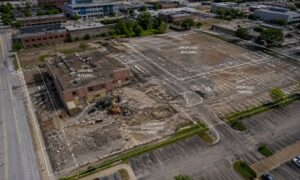
Many commercial deals now involve properties that already exist. Old retail centers, former industrial sites, and mixed-use conversions all carry hidden complexity.
For example, utilities may cross parcel lines. Access may rely on informal agreements. Structures may sit closer to boundaries than expected.
A due diligence survey helps surface these issues early. Without it, buyers often discover problems after significant money is already at risk.
Technology Raised Expectations
Even without dramatic headlines, technology changed how stakeholders think about data. Clear visuals, accurate measurements, and early confirmation now feel normal.
Because of that shift, lenders expect more clarity upfront. When surveys arrive late or lack detail, frustration grows.
This change does not mean surveys should rush. Instead, it means buyers must plan survey work earlier and match scope to expectations.
How Commercial Buyers Should Adjust
Smart buyers now approach the due diligence survey differently.
First, they order it early. That timing allows room to respond if issues appear.
Second, they view the survey as part of risk management, not paperwork. It informs negotiations, pricing, and deal structure.
Third, they talk with surveyors about common deal delays. Those conversations often shape a more effective scope.
By doing these things, buyers avoid last-minute pressure and unexpected requests.
Why This Matters in Active Growth Markets
In growing areas, commercial activity increases fast. As parcels change hands, risk tolerance drops. More eyes review every detail.
That environment makes due diligence surveys even more important. The faster the market moves, the less patience exists for unresolved questions.
Clear survey information helps deals move with confidence rather than hesitation.
The Quiet Shift Buyers Should Not Ignore
Risk standards did not change overnight. However, they changed steadily. Because of that, many buyers still approach surveys with outdated expectations.
Today, the due diligence survey plays a larger role in shaping commercial deals. It protects buyers from hidden exposure and helps lenders move forward with confidence.
In the end, clarity early costs less than uncertainty later. Buyers who recognize that shift position themselves for smoother transactions and stronger outcomes.