Buying a home should feel exciting. However, things can quickly change when a house survey reveals uneven floors. Suddenly, buyers start asking big questions. Is the foundation failing? Will repairs cost thousands? Should the deal stop?
These worries show up often among homebuyers. In fact, many people online share the same frustration after a survey points out sloping or dipping floors. Still, uneven floors do not always mean a serious problem. Some homes settle over time. Others simply have small construction flaws that never caused damage. Many buyers simply are not sure what a house survey can reveal about a property, so the first reaction is often fear instead of understanding.
So before you panic, it helps to understand what uneven floors really mean. If you plan to buy a home, here are the key things you should check before closing.
Why Uneven Floors Show Up During a House Survey
A house survey looks closely at the structure of a home. Surveyors study floors, walls, foundations, and other important parts of the building. During a detailed house survey, they pay close attention to signs of movement or stress in the structure. Because of this careful review, they often notice things that buyers never see during a walk-through.
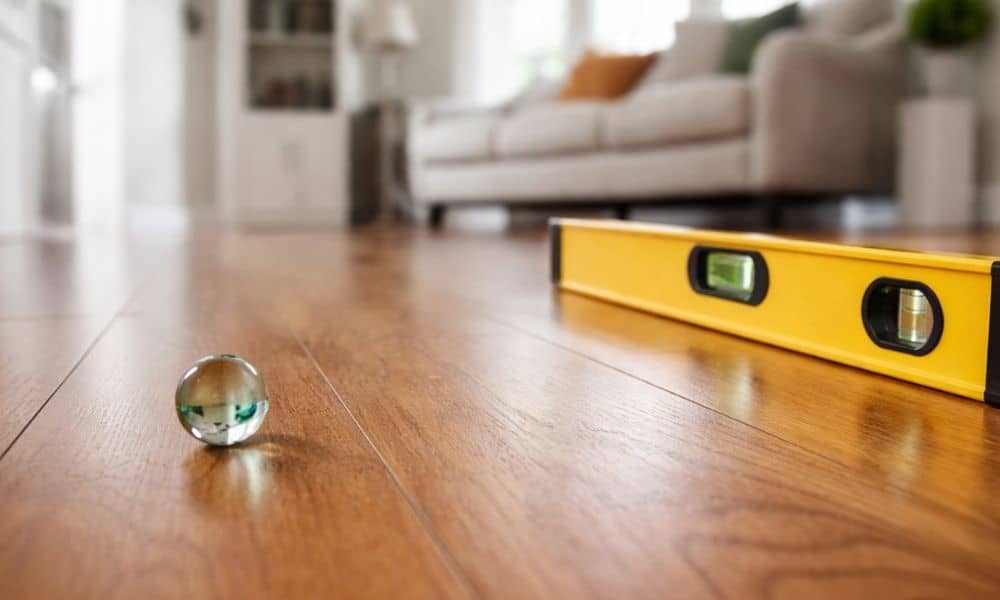
Uneven floors usually appear as small dips, slopes, or soft spots under your feet. Sometimes the change feels slight. Other times you may notice furniture leaning or doors swinging open on their own.
Several issues can cause this problem. For example, homes settle as the ground shifts over time. Wood framing can also shrink or bend after many years. In other cases, moisture under the home weakens beams or joists.
Still, not every slope signals a serious structural problem. Many older homes have small floor slopes that never change and never cause damage.
Why Buyers Often Panic After Survey Results
Many buyers feel shocked when their house survey mentions uneven floors. They picture major foundation failure right away. After all, a home stands on its structure. Any problem there sounds scary.
Online discussions often show the same pattern. Buyers read a survey report, see the words “sloping floor,” and assume the worst. Some even think they must cancel the purchase.
However, a survey report simply flags something that needs attention. It does not always mean the home has a major defect.
Because of that, buyers should pause and gather more information before making a decision.
Check the Foundation First
The foundation supports the entire home. Therefore, this area deserves close attention when uneven floors appear.
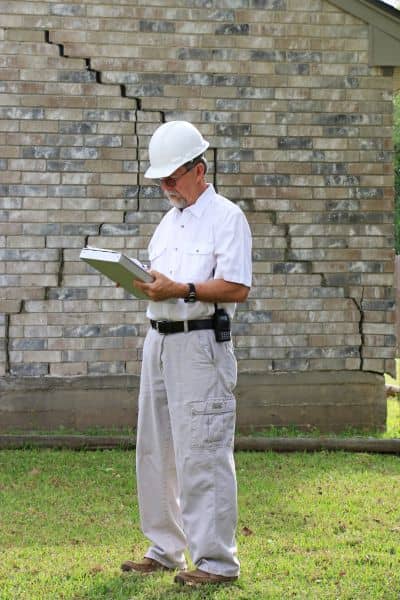
Start by looking for cracks in the walls or brick outside the home. Small hairline cracks often appear as homes settle. Still, large cracks or stair-step patterns may suggest foundation movement.
Next, check doors and windows. If they stick or refuse to close, the frame may have shifted.
Also look along the baseboards inside the house. Gaps between the wall and floor may show movement over time.
If you see several warning signs together, you may want a structural expert to inspect the property before closing.
Look Under the Home
The space under the house often reveals the real cause of uneven floors. Many homes in Bowling Green use crawl spaces instead of basements. Because of that, moisture and wood damage sometimes develop underneath.
First, check for standing water or damp soil. Excess moisture weakens wooden beams and floor supports. Over time, the floor above may sag.
Next, look at the beams and joists that hold the floor up. If they bend, crack, or pull away from supports, the floor above will likely dip.
Termites can also damage wood structures. Therefore, look for hollow wood, mud tubes, or soft beams.
A house survey often points out these concerns, but a closer inspection can confirm the real cause.
Pay Attention to Drainage Around the Home
Water creates many structural problems. Therefore, drainage plays a huge role in floor stability.
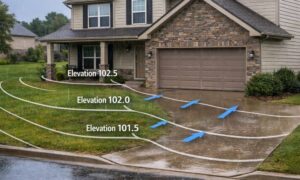
Walk around the outside of the home. The ground should slope away from the foundation. This design helps rainwater move away from the structure.
Next, check the gutters and downspouts. They should carry water several feet away from the house. If water collects near the foundation, the soil can shift or expand.
Bowling Green properties sometimes sit on soil that moves with moisture changes. Because of that, poor drainage can slowly affect the structure of a home.
Fixing drainage issues early can prevent bigger repairs later.
Know When Uneven Floors Are Normal
Not every sloping floor means trouble. In fact, many older homes have floors that tilt slightly.
Builders decades ago used different tools and construction methods. As a result, floors did not always end up perfectly level. Over time, natural settling can also create small changes.
For example, hardwood flooring may expand or shrink with temperature and humidity. Small dips may appear where beams connect.
If the slope stays small and stable, the issue may remain cosmetic. A professional reviewing the house survey can help confirm this.
What Buyers Should Do Before Closing
If your house survey mentions uneven floors, you still have options before closing on the home.
First, ask the surveyor to explain the findings clearly. They can often describe whether the slope appears minor or serious.
Next, consider hiring a structural engineer if the issue looks significant. This professional can evaluate the foundation and framing.
You can also ask the seller about past repairs. Sometimes owners already fixed drainage or structural issues.
If repairs remain necessary, you may negotiate with the seller. Some buyers request repair credits or ask the seller to complete repairs before closing.
These steps help you avoid surprises after moving in.
Why a House Survey Protects Buyers
Although uneven floors may feel alarming, a house survey actually protects the buyer. Without one, you might never notice early structural problems.
A good survey highlights important conditions such as foundation movement, drainage concerns, or hidden damage under the home. This information helps buyers make informed choices.
In many cases, survey findings allow buyers to fix small issues before they grow into expensive problems.
Therefore, the survey serves as a safety net during the home buying process.
Final Thoughts
Uneven floors after a house survey can feel stressful at first. However, they do not always signal a serious problem. Many homes develop small slopes as they age, and some issues have simple solutions.
Still, buyers should never ignore survey findings. Instead, take time to investigate the cause. Check the foundation, inspect the crawl space, and look at drainage around the property.
With the right information, Bowling Green buyers can move forward with confidence. A careful review today can protect your investment for years to come.