
Buying or developing land can be exciting, but it also comes with unique risks. This part of Kentucky is famous for its rolling hills and underground caves, but it’s also known for sinkholes. That’s why a property survey does more than confirm your boundary lines—it helps protect you from surprises hiding beneath the surface.
Understanding Bowling Green’s Karst Landscape
Bowling Green sits on top of limestone rock that slowly dissolves over time. When water seeps through cracks, it creates underground voids and channels. Eventually, the ground above can collapse, forming sinkholes.
You may remember the dramatic collapse at the National Corvette Museum in 2014, when several classic cars were swallowed overnight. That event made national headlines, but smaller sinkholes open up in neighborhoods, fields, and even backyards across the county every year.
For buyers and developers, this makes one thing clear: you need more than just a map of your lot lines. You need a survey that also considers the ground itself.
Why a Property Survey Is Different in Karst Areas
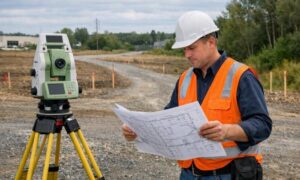
In most places, a survey is all about boundaries, corners, and improvements. In Bowling Green, however, surveyors add another layer of protection—evaluating where the land may be vulnerable.
A property survey here can reveal:
- Depressions in the ground that hint at sinkhole activity.
- Utility lines or drainage paths that increase risk.
- Flood-prone areas tied to underground caves.
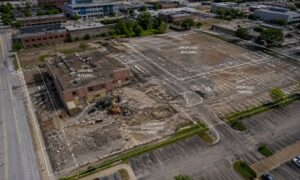
- Parcels that overlap with known sinkhole zones.
Instead of being just a legal document, the survey becomes a safety tool that supports smarter decisions.
How Surveyors Map Sinkhole Risks
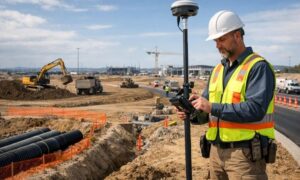
Surveying in karst country is both science and detective work. Local surveyors combine on-the-ground expertise with cutting-edge data. Here’s how it works in practice.

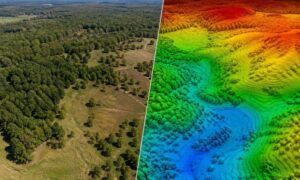
Using LiDAR to Spot Surface Changes:Surveyors often begin with LiDAR, which is high-resolution laser data collected from aircraft. This technology shows tiny dips and rises on the surface. Even shallow depressions can be signs of deeper voids below.
Adding Official Sinkhole Records: Next, surveyors overlay sinkhole records from the Kentucky Geological Survey. These shapefiles show where sinkholes have been documented in Warren County. By combining LiDAR with this data, surveyors can see patterns that aren’t obvious to the naked eye.
Reviewing Local Geophysical Maps: The Warren County Planning Commission provides geophysical web maps that rank areas by sinkhole probability, septic suitability, and groundwater vulnerability. Adding this data helps surveyors flag properties that might need extra investigation.
Checking City and FEMA Data: A good property survey doesn’t stop there. Surveyors also pull data from the City open hub and FEMA flood maps. These layers highlight parcels, utilities, and flood-prone zones that often overlap with karst risk.
Validating with Geological Maps: Finally, surveyors check geological quadrangle maps that explain why some neighborhoods are more vulnerable than others. Limestone thickness, soil type, and drainage all play a role.
By layering all of this data, surveyors create a risk heatmap that goes far beyond a standard plat.
What You Get From a Karst-Aware Property Survey
For most buyers, a property survey provides a sense of security about where their land begins and ends. In Bowling Green, it also provides something more valuable: peace of mind about the ground itself.
With a karst overlay, you’ll receive:
- A standard plat with boundary lines and features.
- A risk map that shows where depressions and sinkholes are likely.
- Notes on setbacks, drainage, and utility routing.
- Guidance on where geotechnical tests should be done before construction.
The difference comes from working with local property survey experts who understand unique terrain. They don’t just mark your boundaries; they translate complex land data into clear steps you can use to protect your investment. In other words, you don’t just see your property—you see its hidden risks.
Real-World Example: Avoiding a Costly Mistake
A local developer once planned to place a driveway and garage on what looked like a flat piece of land. During the survey, LiDAR data revealed a chain of shallow depressions. The overlay showed this area had a higher sinkhole probability.
Instead of building there, the developer shifted the driveway 30 feet and added drainage improvements. That simple move likely saved tens of thousands of dollars in future repairs.
This is the kind of protection a property survey can provide when it’s tailored to unique geology.
When to Order a Property Survey With Karst Overlay
Timing is everything when it comes to land risk. The best time to order a survey with karst analysis is:
- During the buyer’s contingency or option period.
- Before submitting subdivision layouts or construction plans.
- Ahead of a mortgage closing, especially in infill neighborhoods.
By ordering early, you’ll have time to adjust plans, renegotiate terms, or budget for additional testing. Waiting until after closing can lock you into costly surprises.
What a Property Survey With Karst Overlay Can—and Can’t—Do
It’s important to be clear: a survey with a karst overlay is an early warning tool, not a guarantee. It can highlight areas of concern and direct geotechnical testing. But only drilling and soil borings can confirm what lies underground.
Think of the survey as your first line of defense. It narrows down where risks are most likely, saving you time and money on deeper investigations.
Protecting Your Investment
Bowling Green’s beauty comes with unique challenges. Living in karst country means sinkholes are part of the landscape. That doesn’t mean you should avoid buying or building here. It just means you should do it wisely.
Property surveys that include karst overlays are one of the smartest investments you can make. They protect your money, your plans, and your peace of mind. Before you buy, build, or close in Warren County, make sure your survey looks deeper than the surface.