A few weeks ago, a simple online map error went viral. A homeowner posted a screenshot showing that her property line on a popular map app shifted nearly ten feet overnight. Neighbors panicked. Buyers got confused. Even agents argued in the comments. The debate spread fast, and it exposed a real problem: people trust online parcel maps far more than they should. And this is where lidar mapping becomes important for anyone living or building.
Digital maps make everything look neat and clean. You see lines, shapes, and colors. You zoom in, and the app tells you exactly where your lot begins and ends. But those lines are often rough guesses. They are not legal boundaries, and they do not reflect the real ground. When the viral error hit, it showed how fragile this “map trust” really is.
The Problem With Trusting Online Parcel Lines
Most homeowners use the same tools every day—Zillow, Redfin, Google Maps, or the local county GIS. These apps help you browse property listings and check parcel shapes. They also give the illusion of accuracy. Yet the moment something goes wrong, like what happened in the viral post, people realize these maps are not survey-grade.
Parcel maps come from old data sets. They rarely include on-the-ground measurements. They skip deed research, and they never show real property corners. They do not adjust for tree cover, slopes, or real terrain shapes. Because of this, the digital line you see might drift several feet off the true location. In some cases, it misses entire chunks of land.
This is a big deal, especially in rural parts of Warren County. Many lots sit on rolling hills, wooded areas, and older land divisions. When you depend on online maps in places like this, you expose yourself to mistakes that cost a lot of time and money.
How the Viral Map Error Exposed a Bigger Issue
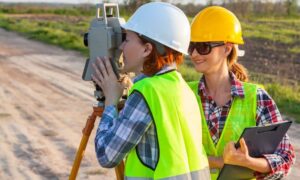
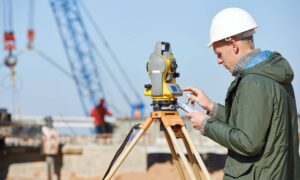
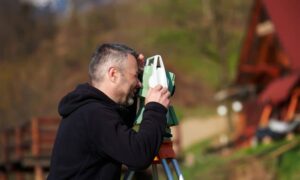
In the viral example, one misplaced line made two neighbors believe their fences and sheds crossed into each other’s yards. Several people suggested calling the county. Others recommended checking older satellite images. The debate grew chaotic until a surveyor stepped in and explained the truth: The map app was wrong. The deed was right. Only a survey could settle the matter, and that’s usually the point when people start looking for a land surveyor near me because they want someone who can actually verify what’s on the ground.
That moment reminded property owners of something important. Online maps are helpful, but they don’t reveal the full picture. They can’t check elevation. They can’t see under trees. They can’t measure long distances. And they definitely don’t show the land features that matter for construction or planning.
So what can? LiDAR provides the accuracy those tools lack.
Why LiDAR Mapping Creates a More Reliable Picture
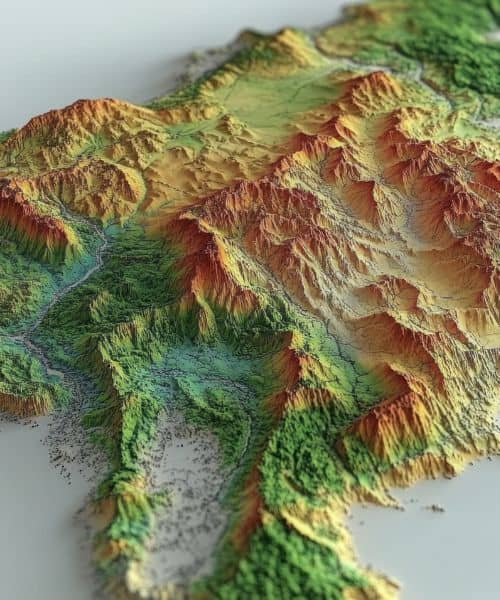
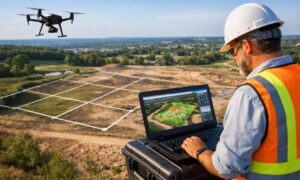
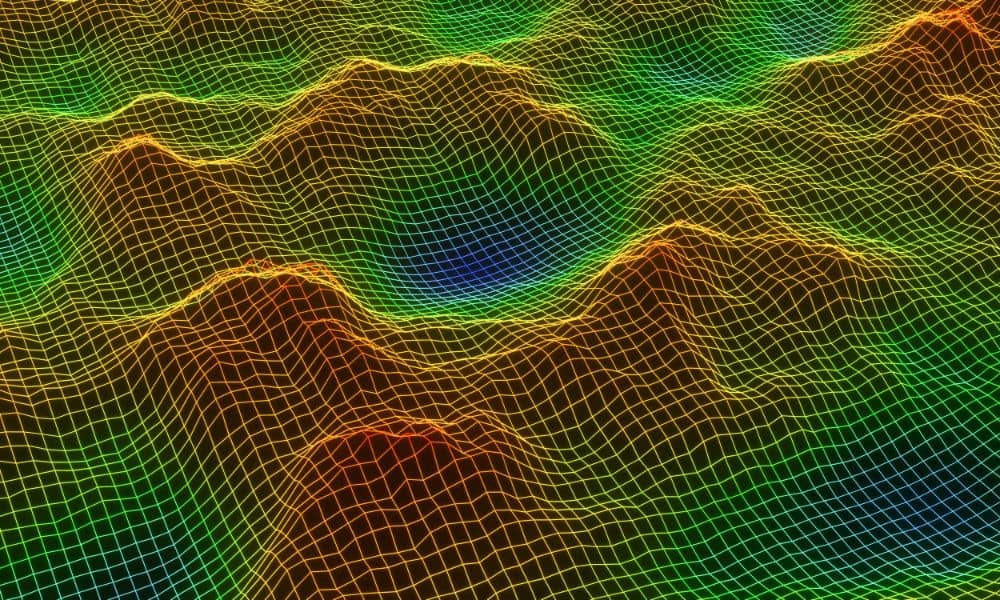
LiDAR mapping does something online maps cannot do. It reads the actual shape of the ground. It captures hills, dips, tree cover, and drainage paths with a high level of detail. Because it shows what the land truly looks like, surveyors use LiDAR to spot errors and confirm what parcel maps miss.
Even better, LiDAR covers ground that humans often struggle to reach. Steep slopes, thick woods, and rough terrain no longer slow down data collection. In a county like Warren County, where rolling land is common, LiDAR gives surveyors a clear view of the ground under the trees. This matters when you want to plan a fence, build a shop, or prepare a driveway.
LiDAR also creates a strong foundation for other survey work. When a surveyor uses LiDAR along with deed research and property corner checks, the final result becomes far more accurate than anything found online.
Real Examples Homeowners Can Relate To
Let’s say you want to build a fence. You pull up a parcel map and mark the line where your yard seems to end. But the GIS map shifts a bit to the left. You trust the map, so you install the fence based on that position. A month later, your neighbor calls and tells you the fence crosses the line. Now you must move it, and you may have to remove trees or landscaping. A proper survey supported by LiDAR terrain data would have prevented the mistake.
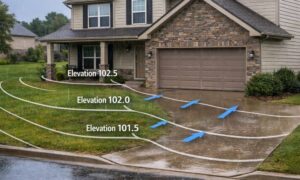
Another example involves elevation. Imagine you plan to build a garage and rely only on what the online map shows. The map makes the land look flat. However, when the contractor starts digging, he finds a small drop you didn’t expect. Water begins pooling behind the garage, and the cost of fixing the drainage doubles. LiDAR would have shown the slope before construction even began.
Even buyers run into trouble. A person might buy a wooded lot because the parcel outline online looks simple. But the deed may describe a different shape, and the land may include hidden dips, creeks, or ridges. LiDAR helps reveal the real terrain before the sale, so buyers make informed choices.
Why This Matters Even More
Warren County’s landscape creates unique challenges. Many parcels have tree cover that hides the true ground. Others sit on slopes that appear flat from satellite images. Roads, ditches, and rock formations can shift how water flows through certain areas. Because online maps ignore these features, they often mislead homeowners.
This is why surveyors rely on LiDAR-supported data. It gives them a clear view of the terrain. It helps them check natural features that affect driveways, foundations, drainage, and setbacks. With accurate terrain models, a surveyor can spot problems long before they become costly issues for homeowners.
In other words, LiDAR does not replace a boundary survey. However, it strengthens it. It gives surveyors the information they need to confirm what the deed describes and what the land actually shows.
When You Should Consider LiDAR Mapping Before Making Decisions
If you plan to build, buy, clear, or divide land, you benefit from LiDAR-backed data. You can avoid surprises and reduce mistakes. For example:
- Before building fences
- Before placing sheds or garages
- Before clearing wooded areas
- Before choosing a driveway route
- Before buying rural acreage
- Before planning additions or major landscape changes
LiDAR gives you confidence. It helps you understand the land before you spend time and money.
A Simple Message From the Viral Map Error
The viral map error sparked arguments and confusion, but it also offered a lesson. Digital maps are great tools, but they are not accurate enough to guide serious property decisions. If you want to avoid disputes, delays, or expensive corrections, trust the technology that shows real ground data. Then work with a licensed surveyor who understands the land.
LiDAR mapping gives you clarity. A professional survey gives you certainty. Together, they protect your investment and help you make smart decisions about your land.