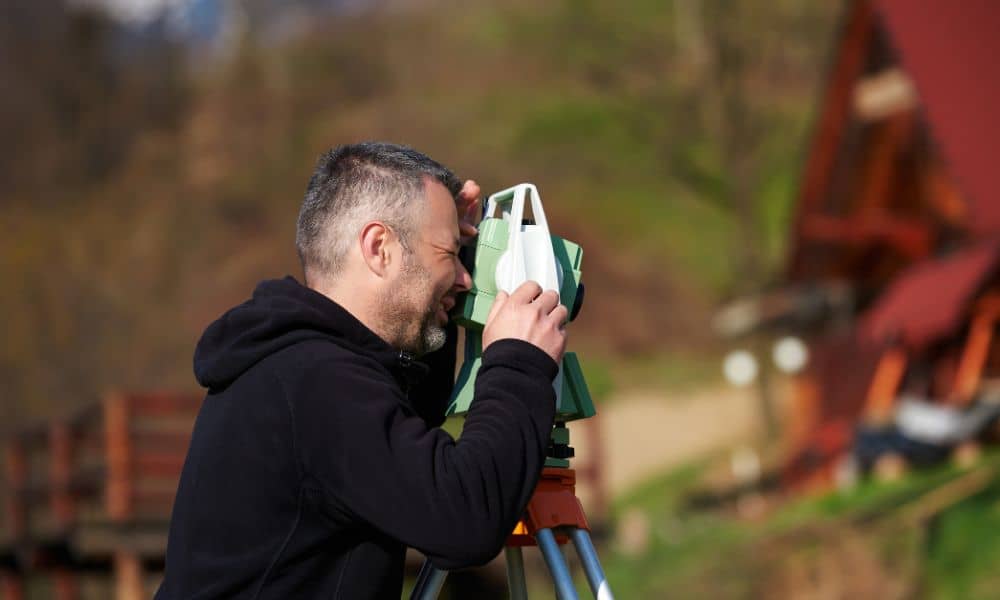
If your lender, insurance agent, or builder recently told you that you need a FEMA elevation certificate, you may feel confused or stressed. Many homeowners in Bowling Green find themselves in this situation without much warning. One moment everything seems ready, and the next, a new document is holding things up.
The good news is that once you understand the process, getting a FEMA elevation certificate becomes much easier.
Why Many People in Bowling Green Suddenly Need a FEMA Elevation Certificate
Most people never think about flood data until someone asks for it. For many homeowners, that request comes during a home purchase, refinance, insurance renewal, or building project.
Lenders and insurance companies ask for a FEMA elevation certificate to confirm how high a home sits compared to flood levels. This helps them understand flood risk and set insurance rates. Sometimes, updated flood maps or new rules trigger these requests.
Because these requests often happen late in the process, homeowners may feel rushed. However, knowing what to do early can prevent delays and frustration.
Step One: Know Why You Are Being Asked for It
Before calling a surveyor, take a moment to understand why you need the certificate. This simple step can save time and prevent mistakes.
Some homeowners need it for flood insurance pricing. Others need it for loan approval. Buyers may need it before closing, while builders may need it for permits. Each reason comes with different timing and paperwork needs.
Once you know the reason, you can explain your situation clearly. This helps surveyors plan properly and deliver the right documents.
Step Two: Gather Important Information First
Having the right details ready before calling a surveyor makes everything smoother.
Start with your property address and legal description. If you have an old survey or a previous elevation certificate, keep those nearby. Even older records help surveyors understand your property faster.
Next, note your foundation type. This may be a slab, crawlspace, or basement. Clear photos of the foundation help as well. Also, write down any access concerns, such as locked gates, pets, or tight crawlspace entries.
Finally, know your deadline and who requested the certificate. Sharing this information allows surveyors to schedule your job correctly and avoid delays.
Step Three: Contact a Surveyor the Right Way
When you contact a surveyor, be clear about what you need and why.
Instead of simply saying, “I need a FEMA elevation certificate,” explain your situation. For example, say, “My lender needs a FEMA elevation certificate for my refinance, and the deadline is in two weeks.”
This helps surveyors understand urgency and plan your project properly. Clear communication also reduces back-and-forth emails and phone calls.
In many cases, sharing full details upfront leads to faster scheduling and smoother service.
Step Four: Prepare Your Property Before the Survey Visit
Getting your property ready before the survey visit helps avoid delays and extra trips.
First, make sure all foundation areas are easy to reach. Unlock crawlspaces, clear away stored items, and remove any obstacles. If you have gates or fences, leave them unlocked during the visit.
Next, move vehicles away from foundation walls and corners. Surveyors need clear access to take accurate measurements.
Also, secure pets and let household members know about the visit. These simple steps help the work move quickly and safely.
Step Five: Avoid Common Mistakes That Cause Delays
Many FEMA elevation certificates get delayed or rejected due to simple errors. Thankfully, most of these issues are easy to prevent.
One common problem is incorrect property information. If the address or legal description does not match lender records, underwriters may reject the document.
Another issue happens when homes have changed. If you added fill dirt, built an addition, or changed the foundation, older records may no longer match your property. Sharing full details prevents confusion.
Finally, missing photos or diagrams can slow down approvals. Complete paperwork helps your certificate move through review without problems.
Step Six: Submit Your Certificate the Right Way
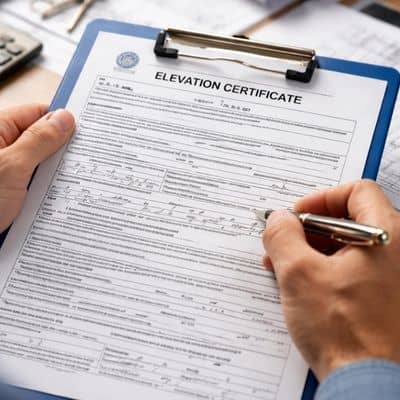
Once your FEMA elevation certificate is ready, proper submission matters.
Confirm exactly who needs it. This may be your insurance agent, mortgage lender, closing attorney, or permit office. Sending it to the wrong person can cause unnecessary delays.
Always send a clear digital copy and include any extra documents requested. After sending, follow up within one day to confirm it was received. This simple step often saves days of waiting.
Step Seven: Plan the Timing to Avoid Last-Minute Stress
Good timing makes a big difference.
If you are buying a home, order your certificate as soon as you go under contract. This gives enough time to handle any issues.
If you are renewing flood insurance, ordering the certificate 30 to 45 days before renewal allows time for rate changes.
For builders and remodelers, ordering early helps avoid permit delays and construction slowdowns.
In every case, acting early leads to smoother results and fewer headaches.
What Affects Cost and Turnaround
Several factors affect how long the process takes.
Homes with crawlspaces, basements, or uneven ground often need more time to measure. Tight access areas and busy schedules can also impact timing.
Providing clear information upfront allows surveyors to plan correctly and complete the work faster.
Making the Process Simple
Needing a FEMA elevation certificate can feel stressful at first. However, when you know the steps, the process becomes simple and manageable.
By preparing early, gathering the right information, and working with a licensed local surveyor, you can avoid delays and keep your plans moving forward.
If your lender, insurer, or builder requested a FEMA elevation certificate, acting now helps protect your timeline, your budget, and your peace of mind.
FAQ:
Can I use an old elevation certificate? Sometimes, but many lenders and insurers want updated documents, especially if flood maps or property features changed.
What if my home is not in a flood zone? You may still need a FEMA elevation certificate for insurance pricing or lender review.
Are digital copies accepted? Yes. Most companies accept digital PDF copies.
How long does a certificate stay valid? Certificates usually stay valid unless the property changes or flood maps update.