
Bowling Green is preparing for major infrastructure work before 2026. Roads, utilities, and public projects are already in the planning stage. Because of this, one change is clear. Construction surveys are now being ordered earlier than they were in the past.
Years ago, many projects waited until plans were almost finished before hiring a surveyor. That method no longer works. City reviewers, engineers, and contractors now want accurate site information from the beginning. Because of this, construction surveys are no longer done at the end. They are now part of early planning.
This change affects developers, property owners, and contractors across Bowling Green. Understanding why it is happening helps projects avoid delays, changes, and extra costs.
Infrastructure planning now starts sooner
Bowling Green continues to grow. As the city grows, planning becomes more important. Public projects now require teamwork between planners, engineers, and utility crews. Roads affect drainage. Utilities affect safety. Because everything connects, early choices matter more.
Planners also rely less on rough estimates. They want real information from the site. This includes elevation, ground shape, and reference points. Without this data, early plans can be wrong.
Because of this, construction surveys now help guide planning instead of fixing mistakes later. Survey data helps teams decide if a project works before time and money are spent.
What construction surveys provide early
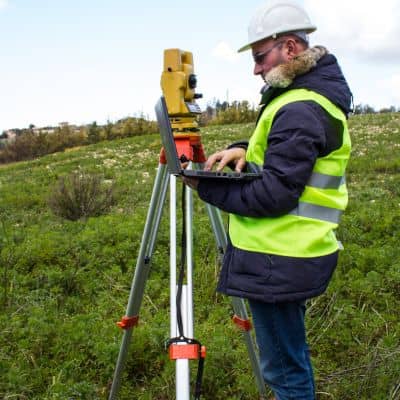
Many people think of stakes when they hear “construction survey.” Early construction surveys do something different. They focus on gathering information.
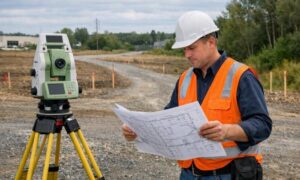
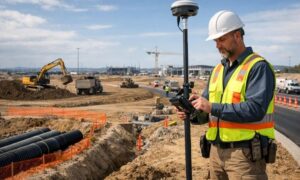
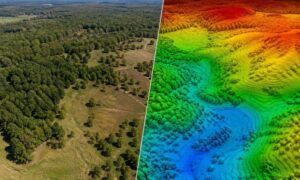
Surveyors place control points across the site. These points give engineers clear locations to use during design. Surveyors also measure elevation and surface conditions. This helps teams understand slopes and ground shape.
Early construction surveys also show how a site connects to nearby roads, utilities, and drainage. With accurate data, designers can plan with confidence instead of guessing.
Because of this, plans start stronger and stay on track.
Why permits now depend on early survey data
The permit process has changed. City reviewers now expect clear and complete information before approving plans. When survey data comes in late, reviewers often ask for updates. Each request adds more time.
Early construction surveys help teams submit better plans the first time. Engineers design using real site data. Planners confirm how projects connect to public systems. Reviewers can move faster when fewer questions remain.
In Bowling Green, this matters most near public infrastructure. Road work, utility upgrades, and drainage projects receive closer review. Early survey data helps these projects move forward without repeat delays.
Waiting too long causes rework
Late surveys do not save time. Instead, they reveal issues after designs are finished. When survey data does not match early ideas, plans must change. These changes affect cost and schedule.
Elevation problems can change drainage design. Surface issues can affect grading. Utility conflicts can force layout changes. Each change adds time and money.
Early construction surveys help avoid these problems. They give teams reliable information from the start. Because of that, projects move forward instead of backward.
Who is ordering construction surveys earlier
This shift affects many people. Developers now request construction surveys before site plans are final. Engineers also ask for survey data before drawing early layouts. Because timelines are tighter, many teams reach out to surveying companies earlier to confirm site conditions before moving forward.
Contractors also want verified site control before bidding work. Having clear information early helps them price jobs accurately and avoid changes later.
Property owners see the change as well. When private projects connect to public work, timing becomes important. Early surveys help owners match their plans with city schedules and avoid delays.
In the end, anyone involved in infrastructure projects benefits when surveying work starts earlier in the process.
Projects most affected by this change
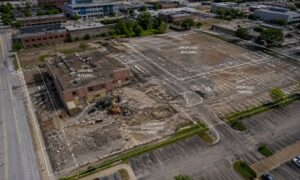
Some projects feel this change more than others. Sites near road work need accurate alignment data. Utility-adjacent land needs confirmed elevations and locations. Drainage-sensitive areas depend on precise surface data. Redevelopment sites often need updated survey information.
In these cases, waiting creates problems. Early construction surveys help teams plan around limits instead of discovering them later.
How early surveys help control costs
Good budgets depend on accurate information. When survey data comes late, changes follow. These changes often lead to more design time, new bids, and delayed starts.
Early construction surveys reduce these risks. They support better cost estimates and more realistic schedules. They also help avoid surprises that increase expenses.
Because of this, lenders and agencies now expect survey data earlier in the process.
Timing a construction survey correctly
Timing matters. In most cases, construction surveys should happen before design work moves too far. This allows engineers to design using verified data instead of guesses.
Early coordination also helps surveyors understand project goals. When surveyors know how the data will be used, they can focus on what matters most.
Working with a local surveyor also helps. Knowledge of Bowling Green’s review process ensures survey work meets city expectations. This saves time and keeps projects moving.
Construction surveys now guide the project
The biggest change is simple. Construction surveys no longer come at the end of a project. They now guide the project from the beginning.
As Bowling Green prepares for 2026 infrastructure projects, early planning matters more than speed. Projects that start with solid survey data move smoother and finish stronger.
Today, construction surveys act as planning tools, not backup fixes. For anyone building near public infrastructure, this change is already happening.