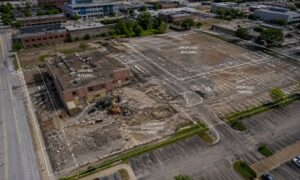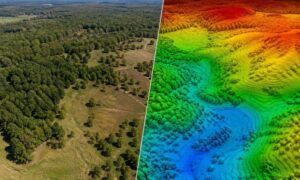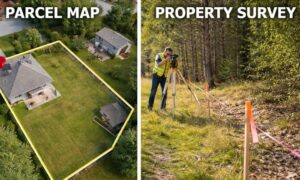
Growth has picked up speed. New industrial sites, road projects, and land developments are moving from plans to reality. As a result, property owners across the region are facing questions they never expected. One service now sits at the center of these issues: boundary line surveys. When land use changes nearby, clear property lines stop being a “nice to have” and become a must.
Around Bowling Green, this shift feels personal. Even if you are not selling, building, or developing, nearby projects can still affect your land. Suddenly, your boundary matters more than it ever did before.
Growth brings opportunity and tension
Kentucky has seen growing interest in industrial parks, expanded infrastructure, and rezoning proposals. While these projects promise jobs and economic growth, they also bring tension. Property lines that stayed quiet for decades now face scrutiny.
When a large project moves forward, planners and developers need certainty. They must know exactly where one property ends and another begins. That need does not stop at the project boundary. Instead, it spreads outward to neighboring parcels. As a result, nearby landowners often feel the impact first.
This is where disputes begin. A developer questions an old fence line. A road expansion plan touches a corner of private land. Utility access comes into play. Each situation raises the same question: where is the legal boundary?
Why boundary questions surface so fast
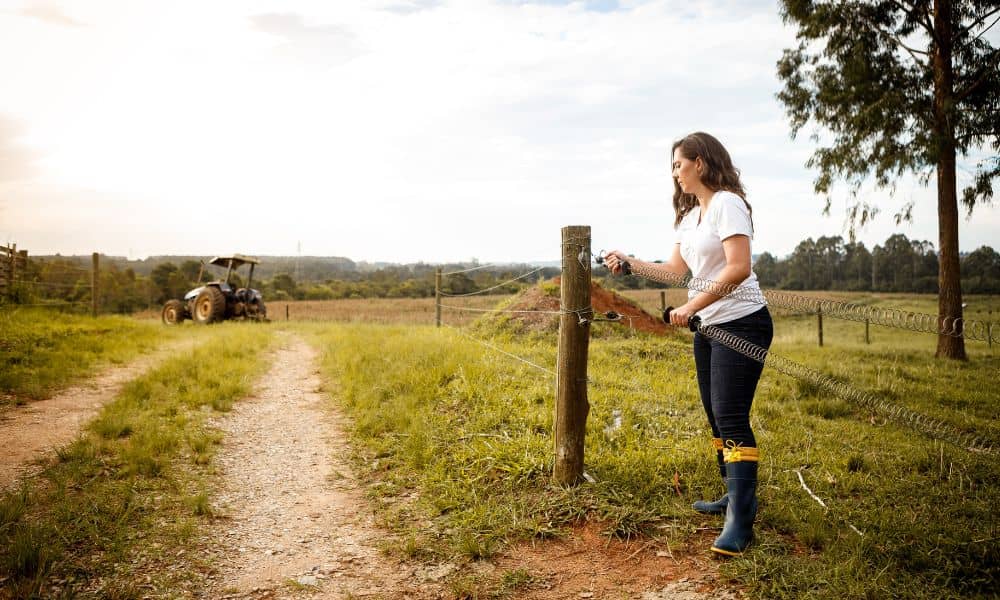
In quiet times, people rely on assumptions. A tree line looks like a boundary. A fence has “always been there.” Neighbors agree without paperwork. However, development changes the rules.
Once zoning boards, engineers, or attorneys get involved, assumptions lose value. Everyone asks for proof. At that point, memories and markers no longer carry weight. Only verified boundary data does.
Because of this, boundary line surveys often become the first document requested when land use changes. They provide clarity when emotions run high and decisions move quickly.
How disputes reach property owners
Many property owners feel surprised when they receive notice of nearby development. They may not oppose the project, yet they still need to protect their interests. In these situations, boundary concerns appear in several common ways.
Sometimes, a proposed access road runs close to private land. Other times, drainage plans affect how water flows across property lines. In some cases, developers review deeds and discover unclear descriptions. Each scenario pushes the spotlight onto boundaries.
Even small shifts matter. A few feet can change usable land, setback compliance, or future value. That is why property owners often seek boundary line surveys once discussions move beyond casual talks.
From private land to public review

One major reason disputes grow fast involves public review. Planning meetings, zoning hearings, and permit discussions all rely on documented facts. During these reviews, boundary lines face close inspection.
If a landowner objects to a project, officials often ask for proof. They want clear maps that show legal limits. Without them, concerns may carry less weight. On the other hand, with solid documentation, property owners can speak with confidence.
Boundary line surveys support these conversations. They help everyone work from the same facts, even when opinions differ.
Why old markers stop working
Many properties around Bowling Green have long histories. Some boundaries date back decades. Over time, markers fade, fences move, and land changes shape. In normal conditions, these shifts cause little trouble.
Development changes that. Once a project brings attention to an area, old markers fail under pressure. Tree lines no longer count. Verbal agreements lose relevance. Only what appears in official records matters.
This transition often catches people off guard. They believed their boundary felt settled. Suddenly, it requires verification. Boundary line surveys bridge that gap between belief and proof.
What surveyors see during land disputes
Surveyors often step in when tensions already run high. They see patterns repeat across projects. Conflicting deeds appear. Historic records fail to match current use. Multiple parties claim overlapping space.
These situations rarely start with bad intent. Instead, they grow from unclear records and changing land use. Surveyors provide clarity by tying present conditions back to legal descriptions.
Their work does more than mark lines. It helps resolve questions before they turn into lawsuits. That value explains why demand rises during development cycles.
Why local experience matters
Not all boundary issues look the same. Local history plays a role. In Bowling Green and surrounding areas, older subdivisions, rural tracts, and changing zoning rules all affect boundaries differently.
Surveyors familiar with local records understand these patterns. They know how past developments shaped current parcels. They recognize where older plats may cause confusion today.
Because of this, local boundary line surveys often carry more weight during disputes. They reflect knowledge of the land, not just measurements.
The role of timing in avoiding conflict
Many disputes escalate because boundary clarity comes too late. By the time concerns surface, plans already move forward. Emotions rise, and solutions grow harder.
Property owners who act early gain an advantage. When development appears nearby, verifying boundaries early reduces stress. It allows owners to respond with facts rather than assumptions.
This approach does not mean opposing growth. Instead, it means protecting property rights while projects move ahead.
Why boundary clarity protects long-term value
Land value depends on certainty. Buyers, lenders, and developers all rely on clear boundaries. When disputes appear, value often drops until issues resolve.
Boundary line surveys protect long-term value by removing doubt. They help owners understand exactly what they own, even as surroundings change. In growing regions like Bowling Green, that clarity matters more each year.
Looking ahead
Kentucky’s growth will continue. With it, land use discussions will expand. Property owners near Bowling Green will face more questions about boundaries, access, and rights.
Boundary line surveys will remain central to these conversations. They provide clarity during change and stability during growth. For property owners, they offer confidence when land around them evolves.
In times of development, boundaries stop being invisible. They define rights, guide decisions, and protect investments. Knowing where your land truly begins and ends matters more than ever.