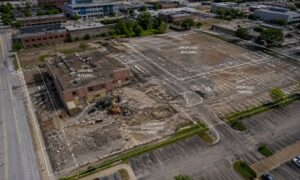
Redevelopment is booming in South Central Kentucky—and an ALTA survey is one of the most important tools to protect your investment. Whether it’s an old warehouse being converted into office space or a vacant lot being cleared for new housing, these projects come with hidden land risks that aren’t always visible at first glance.
From downtown Bowling Green to expansion zones like Scottsville Road or Alvaton, redevelopment often involves unclear property boundaries, outdated records, or forgotten easements. That’s why ordering an ALTA survey early in the process can help uncover issues before they derail your project.
Why Redeveloped Properties Carry More Risk
Properties that have changed hands, been renovated, or subdivided often come with baggage. In older areas of Bowling Green like downtown or the East Main District, records can be outdated. In expanding zones like Plano or Richpond, previous work may not match current zoning or title records.
Some common hidden issues include:
- Remnants of old structures that were never removed properly
- Utility lines running through lots that were re-parceled
- Unmarked access rights or service easements still in effect
- Shared driveways or building encroachments from past layouts
You won’t see these problems on a site walk—but they’ll show up in an ALTA survey.
What Exactly Does an ALTA Survey Cover?
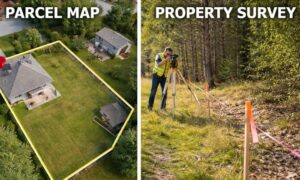
Unlike a basic boundary survey, an ALTA survey goes further. It’s the gold standard for commercial real estate transactions and is often required by banks and title insurers.
An ALTA survey will include:
- Accurate property boundaries
- Location of all improvements, like buildings or driveways
- Identified easements and rights-of-way
- Encroachments from neighboring lots
- Zoning classifications and setback lines
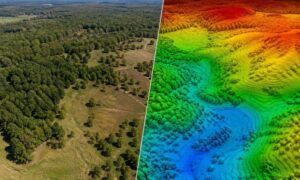
- Optional items like flood zone status or utilities (per Table A)
This detailed report helps property buyers, developers, and lenders know exactly what they’re dealing with—which is exactly why you need an ALTA survey before buying commercial property in Bowling Green or the surrounding areas.
Redevelopment Growth in Bowling Green: Why This Matters Now
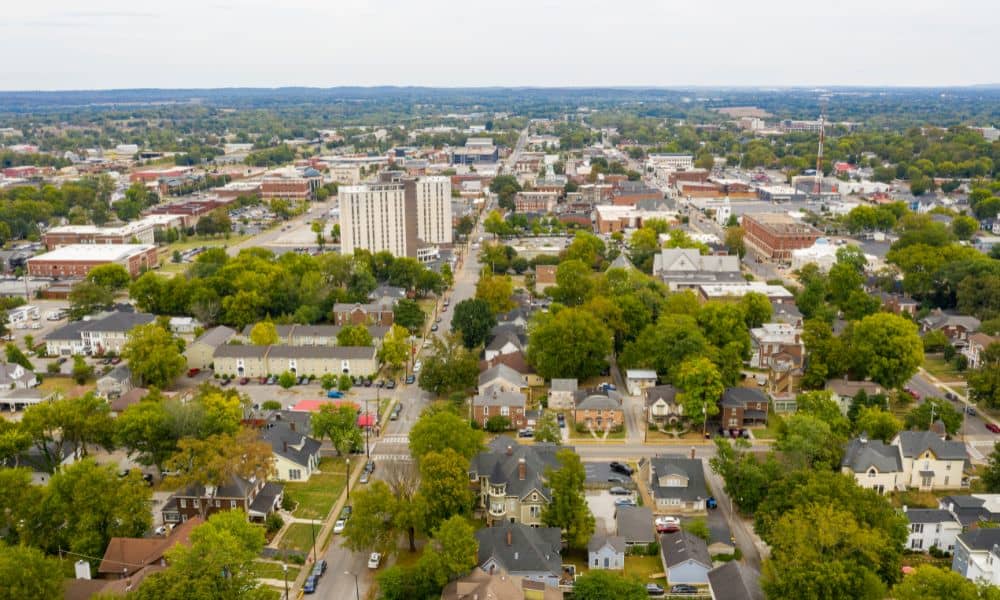
Bowling Green has seen consistent expansion—especially near I-65, the Transpark, and Scottsville Road. New strip malls, healthcare clinics, and multi-unit housing are rising on former industrial land or subdivided lots.
This fast growth means:
- Zoning and land use rules are shifting regularly
- Past land records may not match the current parcel’s layout
- Drainage and stormwater regulations are stricter in some areas
- Redevelopment grants or incentives often require up-to-date site documentation
If you’re considering a project near South Union, Plano, or even nearby towns like Woodburn or Rockfield, an ALTA survey ensures you’re not building on legal uncertainty.
Real Problems an ALTA Survey Can Uncover
Here’s what some Bowling Green property owners only found after commissioning an ALTA survey:
1. Underground Storage Tanks on a Former Auto Shop Site
An investor planning to turn the site into retail space didn’t realize the tanks were still present until flagged by the survey.
2. Easement for a Utility Company in the Middle of the Parcel
A buyer near Three Springs discovered they couldn’t build where planned due to a previously unrecorded electric easement.
3. Setback Violations from a Prior Renovation
A renovated office building encroached slightly into the city’s required setback zone. While it wasn’t a dealbreaker, it delayed financing approval.
Who Needs an ALTA Survey?
You should consider an ALTA survey if you’re:
- Buying a redeveloped lot or old structure in Bowling Green
- Applying for a commercial mortgage or title insurance
- Investing in a property near city expansion zones like Lovers Lane or Alvaton
- Developing on a lot that’s been subdivided or rezoned
- Upgrading a building near sensitive areas like WKU, downtown, or city parks

Even if a survey isn’t required, it can prevent unexpected costs and construction delays. If you’re unsure where to begin, the safest first step is to get an ALTA survey in Bowling Green from a local, licensed surveyor who understands the area’s evolving zoning and redevelopment landscape.
ALTA Surveys Across Bowling Green and Beyond
We regularly provide ALTA surveys in:
- Downtown Bowling Green
- Alvaton and Plano
- Three Springs and Greenwood
- Rockfield, Smiths Grove, and Woodburn
- Scottsville Road corridor and surrounding commercial zones
Each area brings different terrain, regulations, and development history. Working with a surveyor familiar with these zones helps avoid surprises.
Protect Your Redevelopment Plans
Bowling Green’s mix of new and old makes redevelopment exciting—but risky if you’re not careful. An ALTA survey provides peace of mind by showing the full legal and physical layout of a property.
Don’t wait until after you buy to discover a costly easement or encroachment. If you’re serious about investing in property here, the smartest move is to order an ALTA survey before you commit to construction or closing.